


Planning Ahead for Emergencies
Planning ahead doesn’t mean expecting the worst. It means feeling more confident, safer, and better able to respond if something unexpected happens.
Emergencies and severe weather can affect anyone. Sometimes they happen suddenly, like a power cut or burst pipe. Other times there are warning signs, such as heavy rain, flooding, snow or storms. Being prepared helps reduce stress, keeps people safer, and makes it easier to manage disruption and recover more quickly.
This guidance is for everyone – people we support, families, carers, staff and the wider community. It focuses on simple, practical steps that can help you look after yourself and support others when things don’t go to plan.
If you or someone else is ever in immediate danger, always call 999.
Power cuts
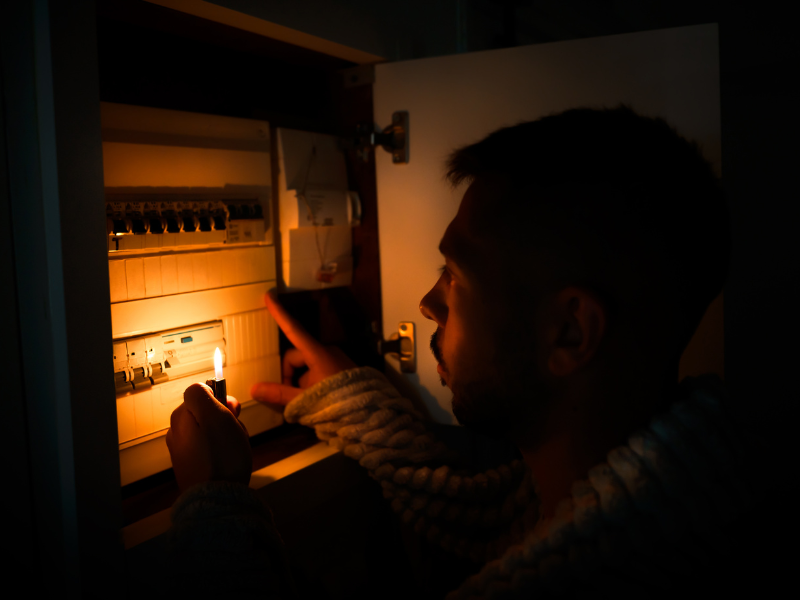
Power cuts are uncommon, but they can still happen, especially during storms or severe weather. Losing power can be more challenging for people who rely on electrical equipment or who find sudden changes unsettling.
What you can do:
- Report a power cut by calling 105, available 24 hours a day
- Check in on people who may need extra support or reassurance
- Charge phones, power banks and essential equipment when severe weather is forecast
- Keep simple backups like a torch and a battery or wind-up radio
- Encourage people who may need extra help to join the Priority Services Register

Water outages
We rely on water for everyday tasks, so an interruption can be disruptive. Cold weather can increase the risk of burst pipes, both in homes and on the wider network.
What you can do:
- Report water outages or leaks to South West Water on 0344 346 2020
- Keep basic supplies available, such as drinking water and medication
- Protect pipes and outside taps during cold weather
- Support eligible people to sign up to the Priority Services Register
Priority Services Register
The Priority Services Register is a free service that helps utility providers give extra support during power, gas or water interruptions.
It can help people who have disabilities, long-term health conditions, mobility needs, communication needs, or who may need extra reassurance during outages. Being registered means utility companies know who may need additional help and can tailor their response.
Flooding and severe weather
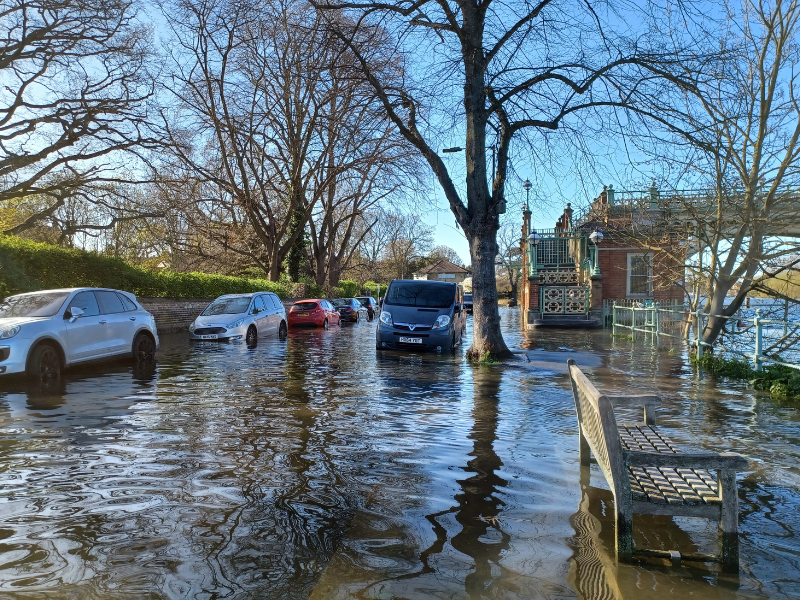
Flooding and extreme weather can develop quickly and cause disruption to travel, routines and services. While some areas are at higher risk, surface water flooding can happen almost anywhere during heavy rainfall.
What you can do:
- Keep an eye on local weather forecasts and warnings
- Be aware of flood risk in your area or places you regularly travel to
- Plan ahead for alternative routes or arrangements if travel becomes unsafe
- Follow advice from local authorities and emergency services
Fire safety
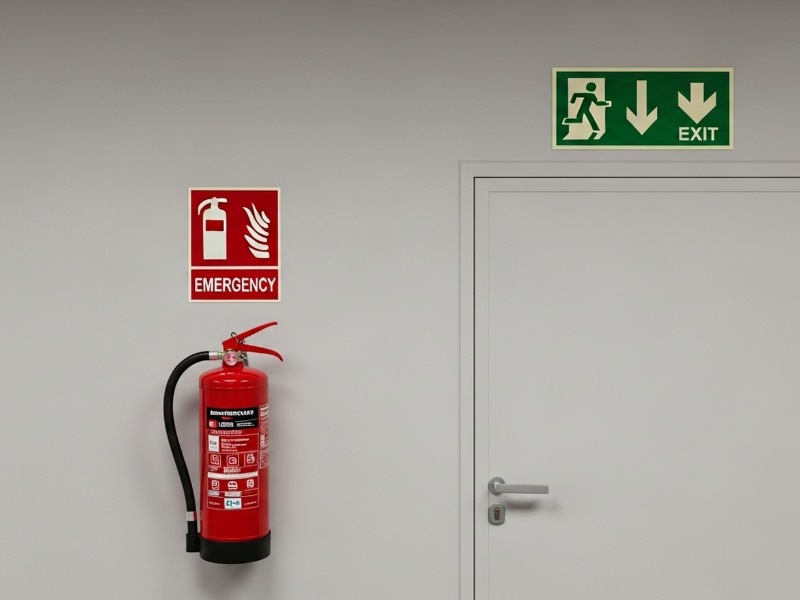
Colder months can increase the risk of fires as heating, electrical items and candles are used more often.
What you can do:
- Check smoke alarms regularly and consider carbon monoxide detectors
- Keep escape routes clear and make sure everyone knows what to do if there is a fire
- Be careful with heaters, candles and overloaded plug sockets
- Share fire safety advice in a way that is clear and accessible
Cold weather and wellbeing
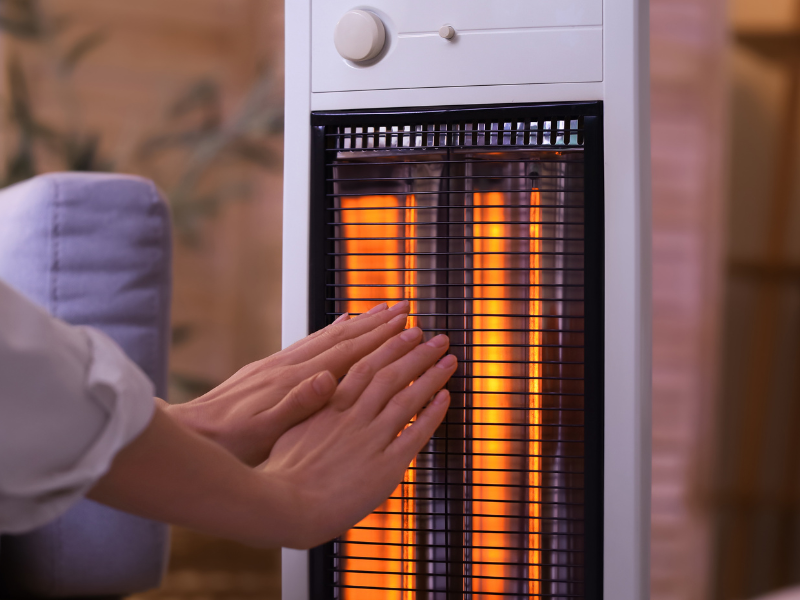
Cold weather can affect health, particularly for older people, people with long-term health conditions, and young children.
What you can do:
- Make sure there is enough food and medication available
- Keep homes warm and safely ventilated
- Look out for signs that someone may be struggling with the cold
- Seek advice or support if you are worried about someone’s safety
Travel during severe weather
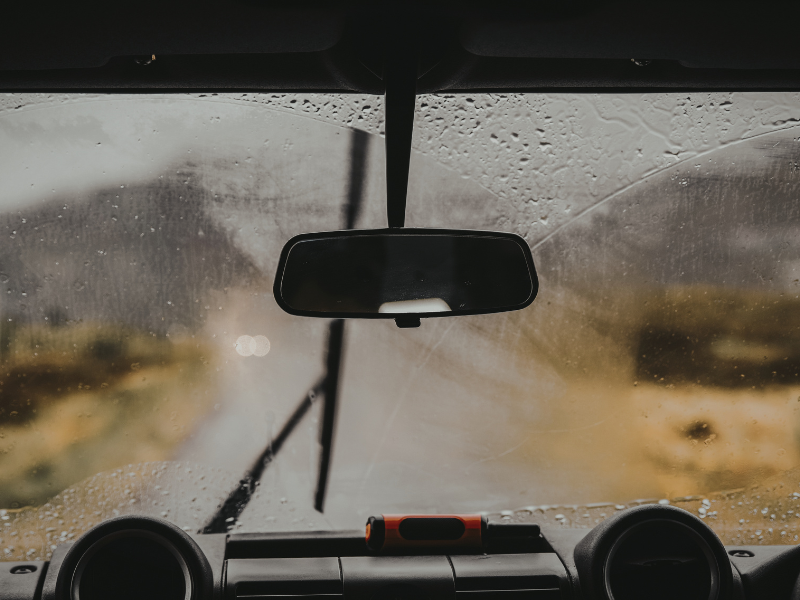
Severe weather can make travel more difficult and sometimes unsafe.
What you can do:
- Limit travel where possible during severe weather
- Check road and public transport updates before setting off
- Allow extra time for journeys
- Carry warm clothing, food, water and medication if travelling
- Follow advice and warnings from emergency services
Checklist: are you prepared?
Taking a few minutes to think ahead can make a real difference. You may find it helpful to check the following:
- Do you know who to contact in an emergency?
- Are phones and essential devices charged before severe weather?
- Do you have basic supplies like food, medication and a torch?
- Are people who may need extra support signed up to the Priority Services Register?
- Do you have a plan if travel is disrupted or unsafe?
- Do you know where to find trusted local updates and advice?
Being prepared together
Planning ahead helps everyone feel more confident and supported when disruption happens. It can make situations easier to manage and help people recover more quickly.
By looking out for ourselves and each other, we can help ensure that people feel safe, supported and informed, whatever the weather brings.
 Back
Back Top
Top