This page will tell you the best ways to keep your heart healthy.
It is very important for all of us to look at the way we live! Eating too much of the wrong food, drinking too much alcohol, smoking, not getting enough exercise and being stressed out can all damage our hearts.Keeping your heart healthy means you can keep doing the things you like, and enjoying life, for longer!
The heart of the matter!
Your heart is a muscle in your chest that pumps blood around your body. You need this to live!
If you eat too much of the wrong food, or smoke, or drink too much alcohol, or don’t get enough exercise, your heart could stop working properly. You could have a heart attack and die!Your heart pumps blood around your body through tubes called arteries. They should be nice and clear.Eating the wrong food, smoking and not getting enough exercise blocks these tubes with fat. They get narrower and your heart has to work extra hard to make the blood flow through them.
Smoking
Smoking is bad for your heart and lungs. The nicotine in cigarettes raises your blood pressure. People who smoke are often short of breath and cough a lot.It makes you smelly too!Once you start smoking it’s hard to stop, but there are people who can help if you want to.Your doctor, community nurse or carer can all help you stop smoking, but you have to want to do it!
Alcohol
Drinking too much alcohol is bad for you in lots of ways, but it’s very bad for your heart.
If you drink too much alcohol you will damage your heart and you may get other health problems or injure yourself.
You may also get drunk, which can cause problems too!
Drinking some alcohol is OK. It’s better to drink small amounts over a time than to drink a whole lot in one go. When you are out in the pub or at a party make each drink last a long time. Have a non-alcoholic drink in between the alcoholic ones.You should have at least two days a week when you do not drink at all.
Food that’s good for you
One of the best ways to keep your heart healthy is to eat the right sort of food. You should eat five portions of fruit or vegetables each day to stay really healthy. This picture shows are some types of food that are good for you.If you’re not sure what kind of food is good for you, ask your dietician, community nurse or doctor.
Food that’s bad for you
Greasy fatty food, like chips and pies, and sugary foods like sweets and chocolate are not very good for your heart.Try not to add salt to your food. It’s probably tasty enough without it anyway! Try to cut out sugar altogether, but if you still need to sweeten your tea and coffee, you can try an artificial sweetener.
How much should you eat?
You should have proper sized portions when you eat. You can see below roughly how much that is. Sometimes people eat too much because they feel down. You’ll be a lot happier if you look and feel good!
How do you know if you have a weight problem?
People are all different shapes and sizes, so it’s hard sometimes to know if you are overweight.Remember, being underweight is a problem as well! You need to eat more of the right food, and get some exercise.If you’re not sure, you should ask your doctor for help. They will weigh you and take your blood pressure. This is a good way to tell if you need to lose weight and tell if your heart is OK.
Get some exercise!
One of the best ways to keep healthy and keep your weight down is to get regular exercise. You don’t have to do anything too difficult. A lot of things you do for fun are great exercise, like dancing, swimming or going for walks.You can even do exercises while sitting watching the telly. Try lifting your feet off the ground and holding them there for the count of ten.Housework is great exercise. Try a bit of hoovering and cleaning.
Are you stressed out?
One of the main causes of heart attacks is stress – worrying about things all the time and not taking it easy. People can get stressed over lots of things – changes in their lives, moving to a new home, not getting on with people, filling in forms, going to meetings… Aaargh!
Relax!
You can stop feeling stressed by taking time out to do things you enjoy. Listen to music, take a relaxing bath, have a nap.Pets are great for relieving stress too!
Some people you can talk to
Some community nurses can offer you a free check-up in your own home. Your doctor should be able to help you get in touch with them. Your doctor can give you a check-up too.
FAIR in association with Community Nurses for People with Learning Disabilities, NHS Lothian. This work was made possible with support from the The Esmee Fairburn Trust and Lloyds TSB Foundation for Scotland.
Keeping People Safe: Recognising Modern Slavery, PREVENT and Hate Crime
Keeping people safe is everyone’s responsibility. By recognising signs of harm, exploitation, or abuse early, we can help protect vulnerable people and support safer communities.
Modern Slavery, PREVENT, and Hate Crime are serious issues that can affect people from all backgrounds. While these topics can be difficult to discuss, awareness is an important part of safeguarding and knowing how to respond appropriately can make a real difference.
Modern Slavery
Modern slavery can include forced labour, exploitation, domestic servitude, and human trafficking. People affected may feel trapped, controlled, threatened, or unable to seek help.
Signs to look out for:
Someone appearing frightened, withdrawn, or anxious
Signs that a person is being controlled by someone else
Poor living conditions or signs of neglect
Unexplained injuries
Working excessive hours for little or no pay
Limited access to money, identification, or personal belongings
What to do:
If you are concerned someone may be at risk, report it safely. If someone is in immediate danger, contact emergency services by calling 999.
You can also contact the Modern Slavery and Exploitation Helpline on 08000 121 700 for advice and support.
What not to do:
Do not confront suspected individuals directly
Do not investigate concerns yourself
Do not put yourself or others at risk
Do not ignore signs that something may be wrong
PREVENT
PREVENT is part of the UK’s safeguarding approach aimed at protecting people from being drawn into terrorism or extremist activity.
Radicalisation can happen online or in person and may affect people of any age, background, or circumstance.
Signs to look out for:
Sudden changes in behaviour or beliefs
Expressing support for violence or extremist ideas
Withdrawal from friends, family, or usual activities
Accessing or sharing harmful extremist content online
Increased secrecy around online activity or social groups
What to do:
If you are worried someone may be vulnerable to radicalisation, speak to an appropriate safeguarding professional, community organisation, or contact local police for guidance.
Early support and open conversations can help prevent harm and provide people with the support they need.
What not to do:
Do not aggressively challenge someone’s views
Do not ignore concerns because you are unsure
Do not attempt to manage serious concerns alone
Hate Crime
A hate crime is any criminal offence motivated by hostility or prejudice towards someone because of disability, race, religion, sexual orientation, transgender identity, or other protected characteristics.
Everyone has the right to feel safe, respected, and included in their community.
Signs to look out for:
Verbal abuse, threats, or intimidation
Bullying or harassment
Damage to property
Offensive online messages or behaviour
Someone becoming distressed, withdrawn, or fearful after interactions with others
What to do:
Take concerns seriously and support the person affected. If safe to do so, encourage reporting through the police, local authorities, or victim support organisations.
In Scotland, hate crimes can be reported to Police Scotland by calling 101, or 999 in an emergency.
What not to do:
Do not dismiss incidents as “just banter”
Do not minimise someone’s experience
Do not stay silent if you witness abuse or discrimination
Speaking Up Matters
If something does not feel right, trust your instincts and seek advice. Raising concerns early can help prevent harm and ensure people receive the support and protection they need.
Useful organisations and guidance:
Modern Slavery and Exploitation Helpline
GOV.UK PREVENT guidance
Local police services
Victim support organisations
Local safeguarding teams and councils
By staying aware, looking out for one another, and speaking up when concerns arise, we can all help build safer, more inclusive communities.
Illegal money lenders are also known as loan sharks.Loan sharks are people who lend money without permission and are criminals.Loan sharks can appear very friendly and helpful at first if you are having problems with your money. This is because they want to get you into debt.If you cannot pay what you owe loan sharks will often threaten you with violence to make you give them money.
How to know if you’ve met a loan shark
The Illegal Money Lending Team have the following 4 questions to help you know if you have met a loan shark.Question 1. Has someone lent you money at your door and are charging you a lot of interest?Question 2. Have you been threatened when you couldn’t pay?Question 3. Has someone taken your bankcard to look after until you have paid what you owe?Question 4. Does the money you owe keep getting bigger even though you are making payments?
What to do if you have met a loan shark.
If you have answered yes to any of the questions you have been targeted by a loan shark.You can call the Illegal Money Lending Team 24 hours a day, 7 days a week, on 0300 555 2222 to make a report.Talk to your local PCSO if you are worried or suspicious.Phone 999 if you have been threatened or feel scared.With thanks to Dawn from the Crownhill Comms Room and Plymouth People First who worked with Devon and Cornwall Police to produce this information.
This article was written by Darren based on his experience of working as a support worker. Darren is currently working as a support worker for Beyond Limits.
How good are you at helping others?
If your friends are upset at stupid o clock in the morning, are you the first person they call? If you like helping others and love the thought of making a difference to a complete stranger’s life, then consider a career as a support worker.
What will you be doing?
The role of a support worker is exactly what it says on the tin. You provide support to individuals and their families who need help, both emotionally and practically, so they can live a happy, independent life.
The finer details…
A support worker role involves working with vulnerable people in different ways. You could be helping people who have mental health problems, learning difficulties, disabilities, recovering addicts, young offenders, those struggling with relationships… it could literally be anything.
No day will be the same. Some people may need emotional support to get them through a difficult time, while others will need a more hands-on approach. It’s your job to analyse their needs and help draw up a plan that’s unique to them.
The good points…
Put simply, you’ll make a genuine difference to people’s lives, which is guaranteed to make you feel all happy inside.
Nobody wants to be stuck in a dead-end job doing 9-5 until they retire, after all. Where’s the fun in that?
Working as a support worker gives you the opportunity to progress, from moving up the career ladder to earning more qualifications. If you get enough experience and study hard to earn a vocational qualification or a degree and you could move up to a senior or managerial role.
…and the bad
Your working hours are often split into shifts and on call hours to ensure there is all day support. This can include evenings and weekends, so there’s no time to be a lazy bones.
Is there study involved?
If grades were never your strong point at school, don’t stress, it won’t affect your chances of being a support worker. What matters most in this job is a passion for helping people and some life experience. Any past experience you have working in a health or support role is also good. You’ll need to show you can help people with a variety of issues and requirements, and that you’ll always remain supportive,
OK, I’m interested… But is it really the job for me?
This job involves helping others, not being judgemental about a situation, and providing support to change lives. It can be difficult so you’ll not only need skills but also patience, compassion and understanding. Basically, if you’re self-obsessed and don’t like dealing with people, this is not the job for you.
Ideal for those of you that don’t want to work a 9-5 repetitive job, some of the things you may be expected to do include:
Being a good listener – A good cup of tea and a hug can do wonders, but in this job you have to really listen, and listen well. One of the most important tasks is simply being there, and listening is a huge part of the job.
Doing chores – Sounds like a simple job but doing chores around the house can be a massive help. You could do cooking, cleaning, shopping as well as helping to pay bills.
Helping people live independently – Teaching life skills and helping people live an ordinary life will be one of your main goals as a support worker. From teaching people how to budget money and getting them involved with the community to getting them suitable housing that accommodates their needs, you’ll be there along the way to help with it all.
Family ties – You won’t just be helping vulnerable people, you’ll also be helping the people that can be forgotten; the families. Some may struggle with their relative’s issues, or they may just need a helping hand caring for them. Whatever their need, you’ll need to support them just as much.
If you are interested in working for Beyond Limits take a look at our current vacancies.
Lou spent over 15 years in hospital. In her own words “it wasn’t a home, I had to ask permission for the most basic things like using the toilet or getting changed”.
Beyond Limits started supporting Lou in October 2017 and has slowly started to get her life back. She has been fully involved in recruiting her team of staff and she is enjoying time and space in her own home, the best thing about it she says, is how quiet it is.
Here Lou is with one of her team enjoying some time out at the local bowling alley.
Below are some examples of a learning disability mate crime
Mate crime is when someone pretends to be your friend because they want to use or take advantage of you.Mate crime is when someone borrows your mobile phone and uses up all your credit.Mate crime is when your ‘mate’ comes round on the day you get your benefit money so you can go to the pub and buy him or her lots of drinks.Mate crime is when your family members take money off you without asking you.Mate crime is when your ‘friend’ takes you out in the car and then charges you £20 for taking you.Mate crime is when your neighbours call you names each time they see you but always say they are ‘only joking’.Mate crime is when friends send abusive (rude or threatening) emails or texts to you. This includes messages on Twitter and Facebook.Mate crime is when your ‘mate’ comes to your place, stays a couple nights, eats all your food and drink and leaves you with nothing for the rest of the week.
What to do if you are a victim of mate crime
Tell someone you trust for example: your support worker, advocate or centre manager who will help you to call the police.Call the police on 999 saying you think you have been a victim of learning disability mate crime.Call your local safeguarding adults team.
Cornwall Adult Safeguarding: 0300 1234 131
Plymouth Adult Safeguarding: 01752 668000
Devon Adult Safeguarding: 0345 1551 007
Somerset Adult Safeguarding: 0300 123 2224
Talk to Stop Hate UK on free phone 0800 138 1625, they are open 24 hours a day.
Lorem ipsum scelerisque malesuada nisi
Honcus diam semper vitae
Phasellus eget massa nisl
Fusce urna sem
Lobortis sit amet faucibus
Ultrices et turpis.
Lorem ipsum scelerisque malesuada nisi
Honcus diam semper vitae
Phasellus eget massa nisl
Fusce urna sem
Lobortis sit amet faucibus
Ultrices et turpis.
With thanks to Dawn from the Crownhill Comms Room and Plymouth People First who worked with Devon and Cornwall Police to produce this information.
Cancer of your Testicles (Balls) can develop in men from the age of 15 years onwards
therefore you should not feel embarrassed to talk to your parents, friends or partners about
Testicular self examination.
Check your balls about once a month. If you have any concerns talk to your Doctor. AFTER ALL IT’S YOUR HEALTH AT STAKE.
Watch a helpful video
Here’s a good video that tells you how to do an examination from ITV’s Lorraine Breakfast show.
Changes you should look out for:
Small hard painless lump
A dull ache
A testicle getting larger
One testicle feeling heavier than the other
Collection of fluid.
How to look after my balls
Check your balls about once a month.Check for lumpsCheck for swelling, and check to see is one ball is getting larger?Do you have any pain or discomfort?A good way to check yourself is in the shower, where you are warm.Ask for help straight away if you find something wrong.Don’t wait! Go and see your doctor straight away.
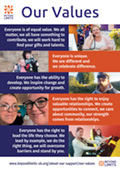
Everyone is of equal value. We all matter, we all have something to contribute, we will work hard to find your gifts and talents.
Everyone is unique. We are different and we celebrate difference.
Everyone has the ability to develop. We inspire change and create opportunity for growth.
Everyone has the right to enjoy valuable relationships. We create opportunities to connect, we care about community, our strength comes from relationships.
Everyone has the right to lead the life they choose. We lead by example, we do the right thing, we will overcome barriers and stand by you.
Planning ahead doesn’t mean expecting the worst. It means feeling more confident, safer, and better able to respond if something unexpected happens.
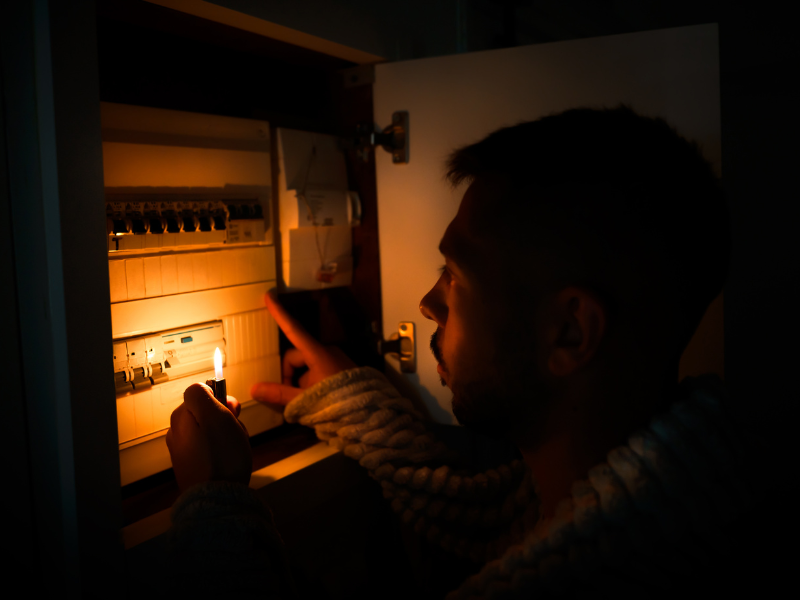
Emergencies and severe weather can affect anyone. Sometimes they happen suddenly, like a power cut or burst pipe. Other times there are warning signs, such as heavy rain, flooding, snow or storms. Being prepared helps reduce stress, keeps people safer, and makes it easier to manage disruption and recover more quickly.
This guidance is for everyone – people we support, families, carers, staff and the wider community. It focuses on simple, practical steps that can help you look after yourself and support others when things don’t go to plan.
If you or someone else is ever in immediate danger, always call 999.
Power cuts
Power cuts are uncommon, but they can still happen, especially during storms or severe weather. Losing power can be more challenging for people who rely on electrical equipment or who find sudden changes unsettling.
What you can do:
Report a power cut by calling 105, available 24 hours a day
Check in on people who may need extra support or reassurance
Charge phones, power banks and essential equipment when severe weather is forecast
Keep simple backups like a torch and a battery or wind-up radio
Encourage people who may need extra help to join the Priority Services Register
Water outages
We rely on water for everyday tasks, so an interruption can be disruptive. Cold weather can increase the risk of burst pipes, both in homes and on the wider network.
What you can do:
Report water outages or leaks to South West Water on 0344 346 2020
Keep basic supplies available, such as drinking water and medication
Protect pipes and outside taps during cold weather
Support eligible people to sign up to the Priority Services Register
Priority Services Register
The Priority Services Register is a free service that helps utility providers give extra support during power, gas or water interruptions.
It can help people who have disabilities, long-term health conditions, mobility needs, communication needs, or who may need extra reassurance during outages. Being registered means utility companies know who may need additional help and can tailor their response.
Flooding and severe weather
Flooding and extreme weather can develop quickly and cause disruption to travel, routines and services. While some areas are at higher risk, surface water flooding can happen almost anywhere during heavy rainfall.
What you can do:
Keep an eye on local weather forecasts and warnings
Be aware of flood risk in your area or places you regularly travel to
Plan ahead for alternative routes or arrangements if travel becomes unsafe
Follow advice from local authorities and emergency services
Fire safety
Colder months can increase the risk of fires as heating, electrical items and candles are used more often.
What you can do:
Check smoke alarms regularly and consider carbon monoxide detectors
Keep escape routes clear and make sure everyone knows what to do if there is a fire
Be careful with heaters, candles and overloaded plug sockets
Share fire safety advice in a way that is clear and accessible
Cold weather and wellbeing
Cold weather can affect health, particularly for older people, people with long-term health conditions, and young children.
What you can do:
Make sure there is enough food and medication available
Keep homes warm and safely ventilated
Look out for signs that someone may be struggling with the cold
Seek advice or support if you are worried about someone’s safety
Travel during severe weather
Severe weather can make travel more difficult and sometimes unsafe.
What you can do:
Limit travel where possible during severe weather
Check road and public transport updates before setting off
Allow extra time for journeys
Carry warm clothing, food, water and medication if travelling
Follow advice and warnings from emergency services
Checklist: are you prepared?
Taking a few minutes to think ahead can make a real difference. You may find it helpful to check the following:
Do you know who to contact in an emergency?
Are phones and essential devices charged before severe weather?
Do you have basic supplies like food, medication and a torch?
Are people who may need extra support signed up to the Priority Services Register?
Do you have a plan if travel is disrupted or unsafe?
Do you know where to find trusted local updates and advice?
Being prepared together
Planning ahead helps everyone feel more confident and supported when disruption happens. It can make situations easier to manage and help people recover more quickly.
By looking out for ourselves and each other, we can help ensure that people feel safe, supported and informed, whatever the weather brings.
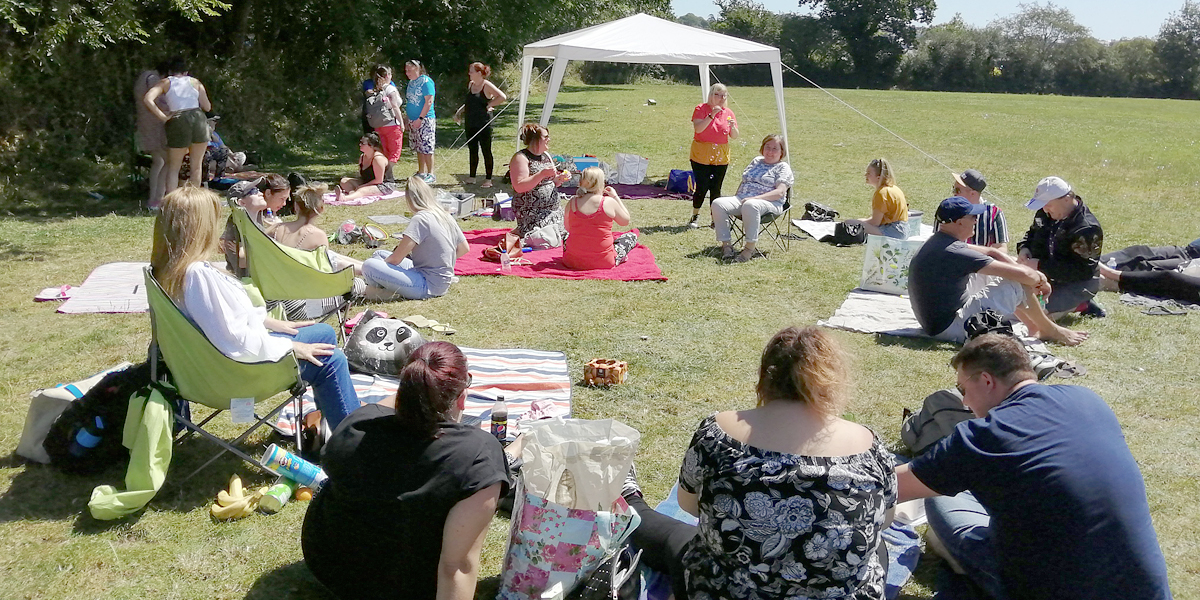
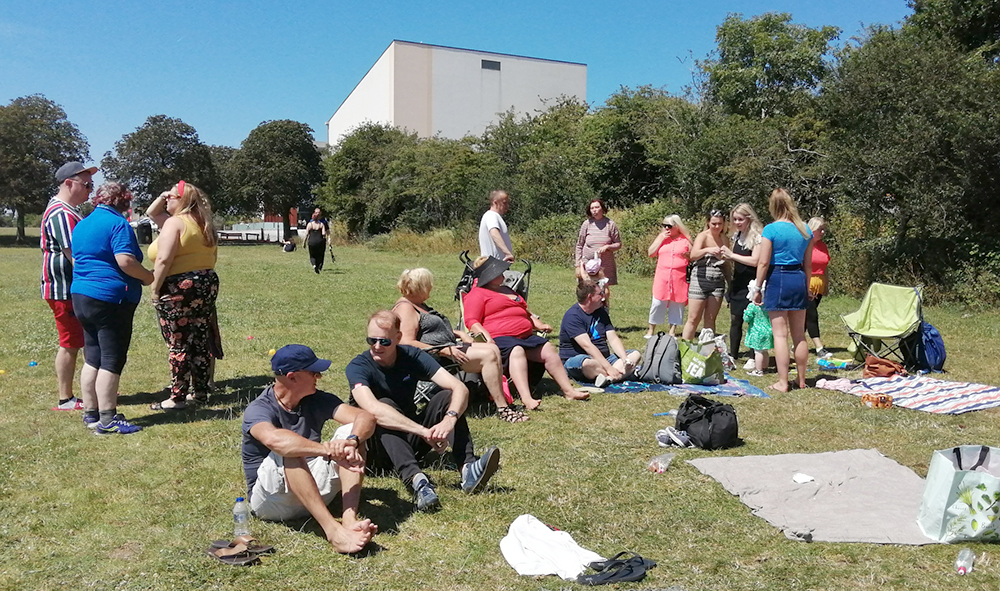
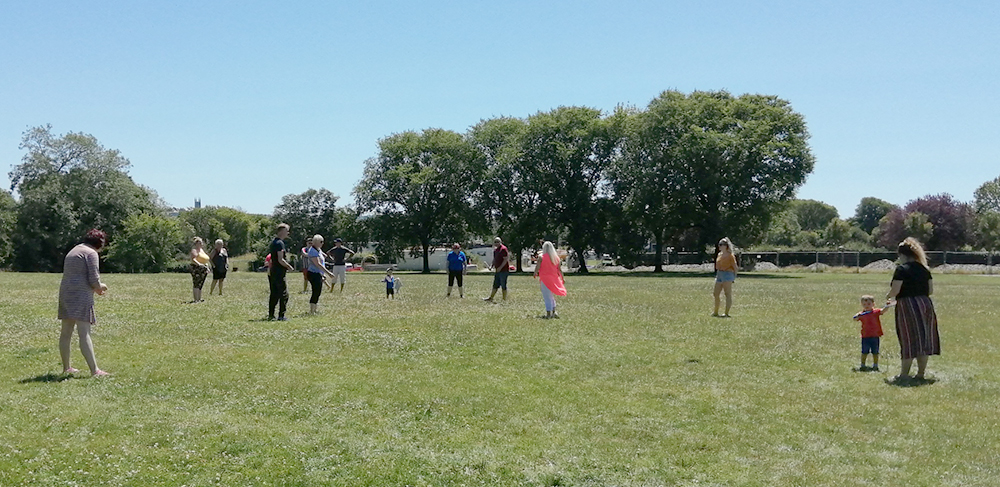
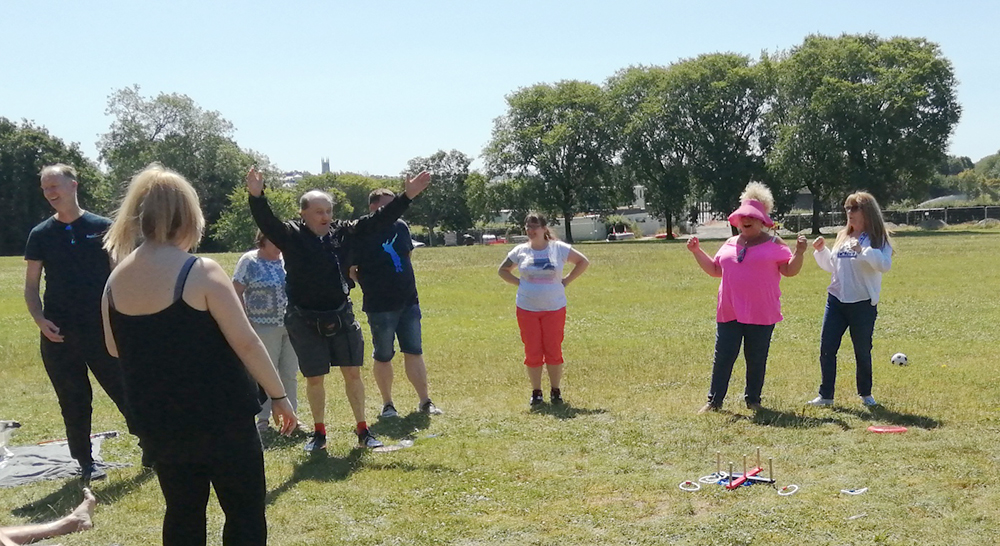
Independence day brought one of the hottest days of the year to Plymouth and a lot of staff and people we support were out in force to enjoy to it.
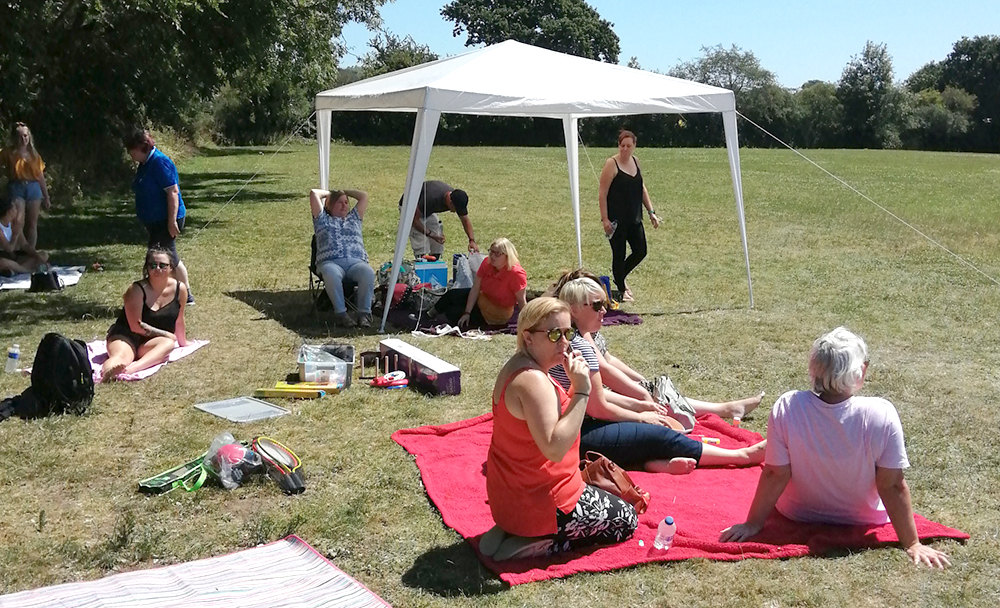
We invited people along to join us for our summer picnic and were really heartened to see so many people, it made for a great day and atmosphere. People heeded the warnings and were well prepared with colourful summer hats and plenty of sun cream. Hannah looked particularly well suited to the hot weather and she wouldn’t have looked out of place on the shores of Bermuda never mind Central Park!
People were invited to bring their own picnics with Beyond Limits providing plenty of drinks. Camping chairs and travel rugs were quickly set up and before long we had managed to take over a small area in the corner of the park, Menna provided the shelter by way of a small gazebo, which in hindsight was a great idea.
Games were also the agenda for the day and despite the heat people’s competitive nature rose to the occasion and two teams to play a game of rounders were quickly established. Gemma quickly taking control and picked out her team, Chantelle matching her and bravo we had our two teams. Everyone who took part did really well, although next time Menna you are not going in as the backstop ! Credit goes to Tom for a magnificent catch and Sarah and Michelle for some fabulous bowling.
All in all it was a fabulous day with people really appreciating spending time together and agreeing that we should meet up more often.
A huge thank you to everyone who came along and to all those who contributed to the organising and setting up, the whole event was an absolute success. Well done everyone.
Beyond Limits has developed policies and procedures to promote safe and consistent practice across the Organisation.
Our policies and procedures fit within the Beyond Limits Policies and Procedures Framework. Beyond Limits expects all staff to be familiar with the contents of the policies and procedures relevant to their role and to understand how to apply them within their daily work.
Our policies and procedures:
Reflect the organisation’s values and mission statement
Let everyone know how we work
Contain procedures and guidance that must be followed
Are not stand alone documents
All fit within the Beyond Limits Policies and Procedures framework
Reference associated policies where relevant to each subject
Policies and Procedures A-Z
Below is a list of our Policies and procedure documents organised A-Z by title. They are in PDF format, can be downloaded, printed and read (using the free Adobe Reader). They cannot be edited or printed and the text cannot be copied.
Beyond Limits are delighted to be involved in the Proud to Care Festival which is taking place on Wednesday 24th October. We will be at Lemon Quay in Truro City Centre from 10am to 4pm.
There will be loads going on, food and music and free family activities, face painting and a magician.
Beyond Limits will be talking to people about how rewarding a career in social care is and we will be promoting the vacancies we currently have.
Come along and get involved, there will be plenty on offer for everyone and who knows it might just be the start of something amazing.
Raising the Volume: Celebrating Dyslexia Awareness Week 2025
At Beyond Limits, we believe in the power of inclusion and the strength found in diversity. As we observe Dyslexia Awareness Week 2025, we stand united with the British Dyslexia Association (BDA) in amplifying the voices of young people with dyslexia. This year’s theme, “Raising the Volume”, encourages us all to listen, understand, and act.
Understanding Dyslexia
Dyslexia is a specific learning difference that affects how individuals process written and spoken language. It’s estimated that around 1 in 10 people are dyslexic, making it one of the most common learning differences. Dyslexia is not related to intelligence; in fact, many dyslexic individuals possess exceptional creativity, problem-solving skills, and innovative thinking.
The Importance of Listening to Young Voices
This year, the BDA has launched a pivotal report titled “Set up for somebody else”, based on the perspectives of 500 young people with dyslexia. The report sheds light on their experiences, challenges, and aspirations within the education system. Their voices are clear: they seek understanding, support, and a system that recognises their unique needs.
Ways You Can Get Involved
We encourage everyone to participate in Dyslexia Awareness Week 2025 by:
Engaging with the BDA’s Campaigns: Support initiatives like the “HEAR US” Voice Petition, which calls for urgent changes in the education system to better support dyslexic students.
Sharing Stories: Amplify the voices of young people with dyslexia by sharing their stories and experiences on social media using the hashtag #DAW25.
Educating Others: Use resources provided by the BDA to educate friends, family, and colleagues about dyslexia and how they can offer support.
Conclusion
Dyslexia Awareness Week is more than just a time to raise awareness; it’s an opportunity to make a tangible difference in the lives of young people with dyslexia. By listening to their stories, understanding their challenges, and advocating for change, we can create a more inclusive society where everyone has the opportunity to succeed.
At Beyond Limits, we are proud to be part of this movement. Together, let’s raise the volume and ensure that the voices of people with dyslexia are heard and valued.
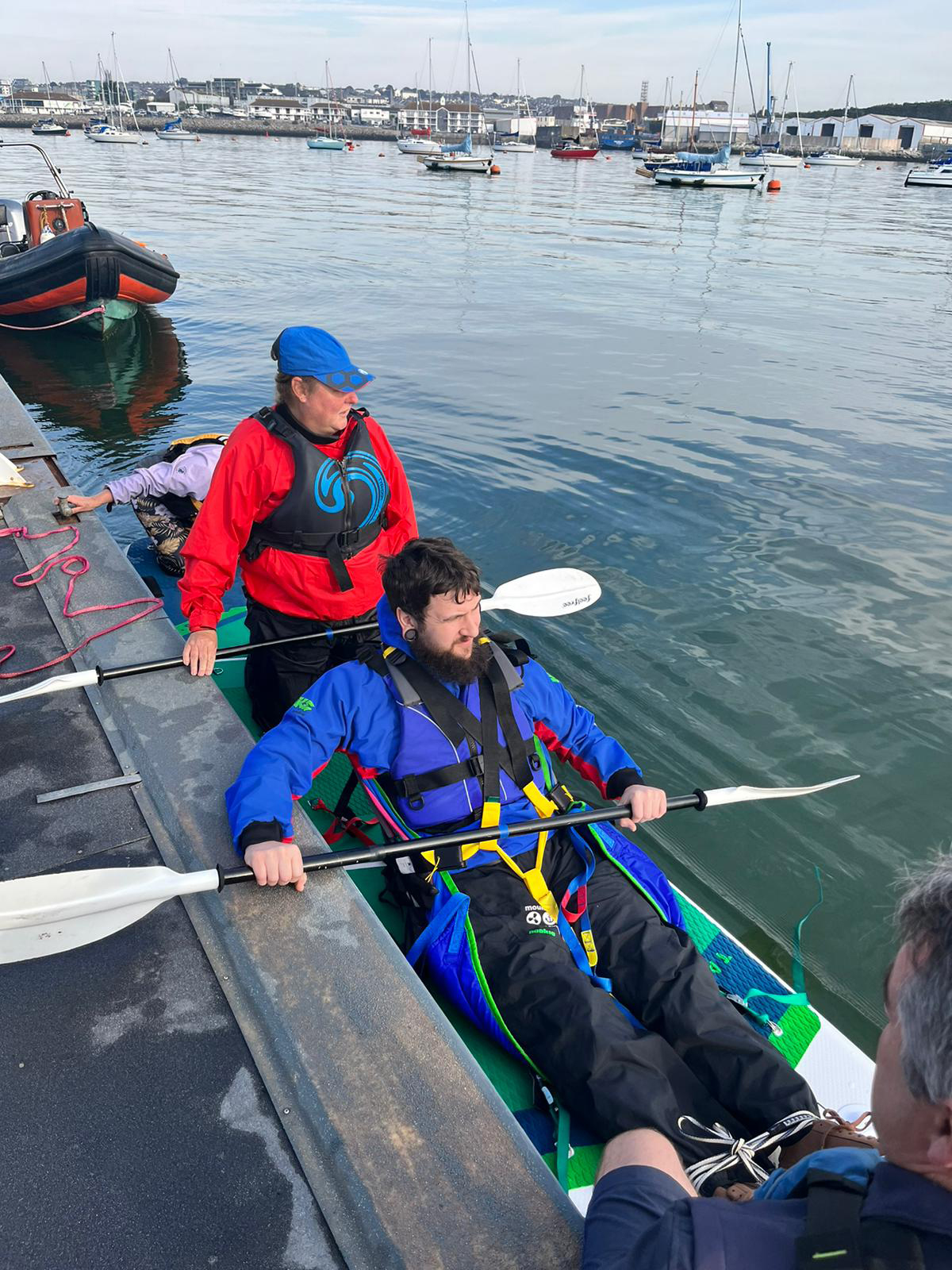
Not only has Rich proved his success in the world of wheelchair rugby but now he is trying his hand at Kayaking.
Plymouth is known as Britain’s Ocean City due to its seafaring heritage and fabulous coastline and so where better to take to the water with his team.
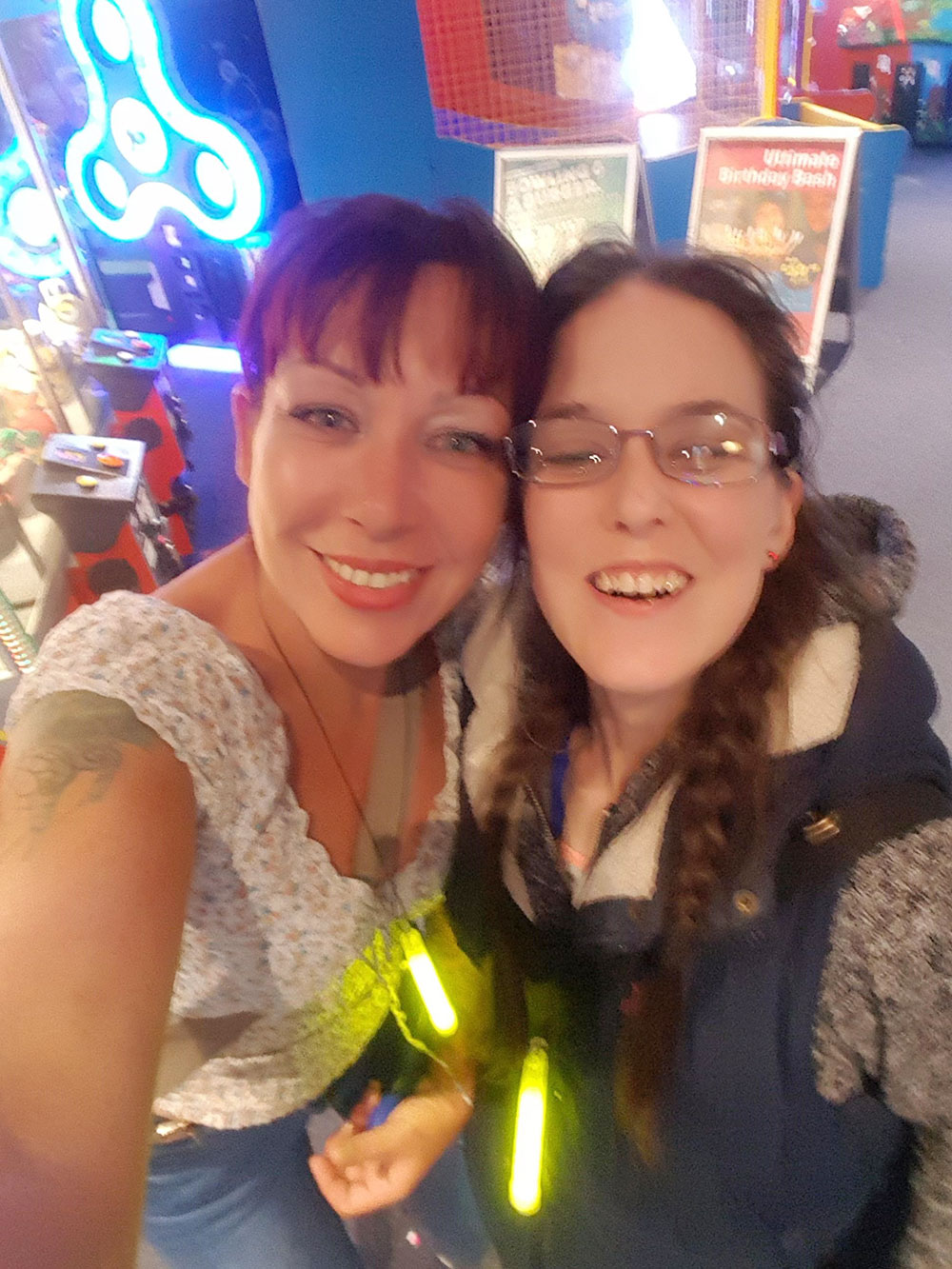
Of course having his own sailing expert as part of his team is helpful and Michelle kept Rich and the rest of the team safe. After the safety demonstration, a three hour trip around the coast followed and Rich really enjoyed it, safe to say he is already making plans and looking forward to the next sail.
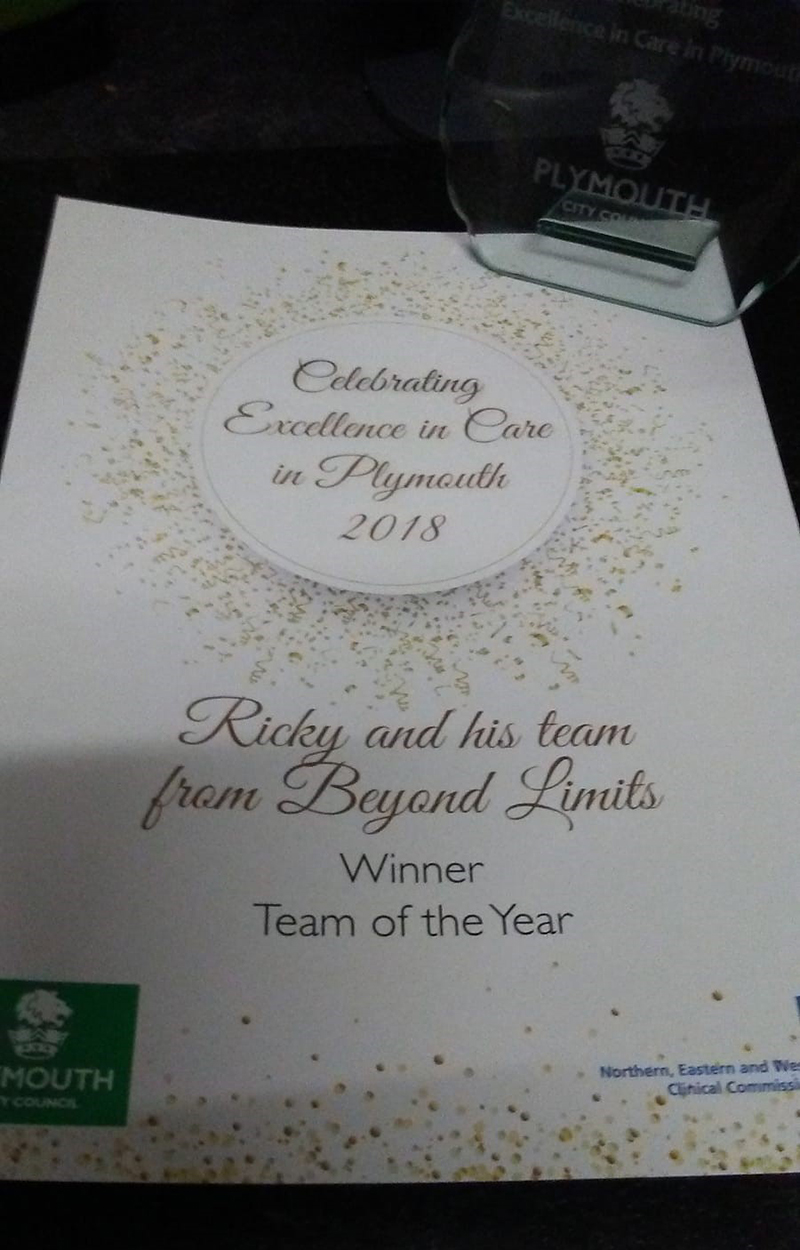
Ricky and his team win Best Team in Plymouth 2018!
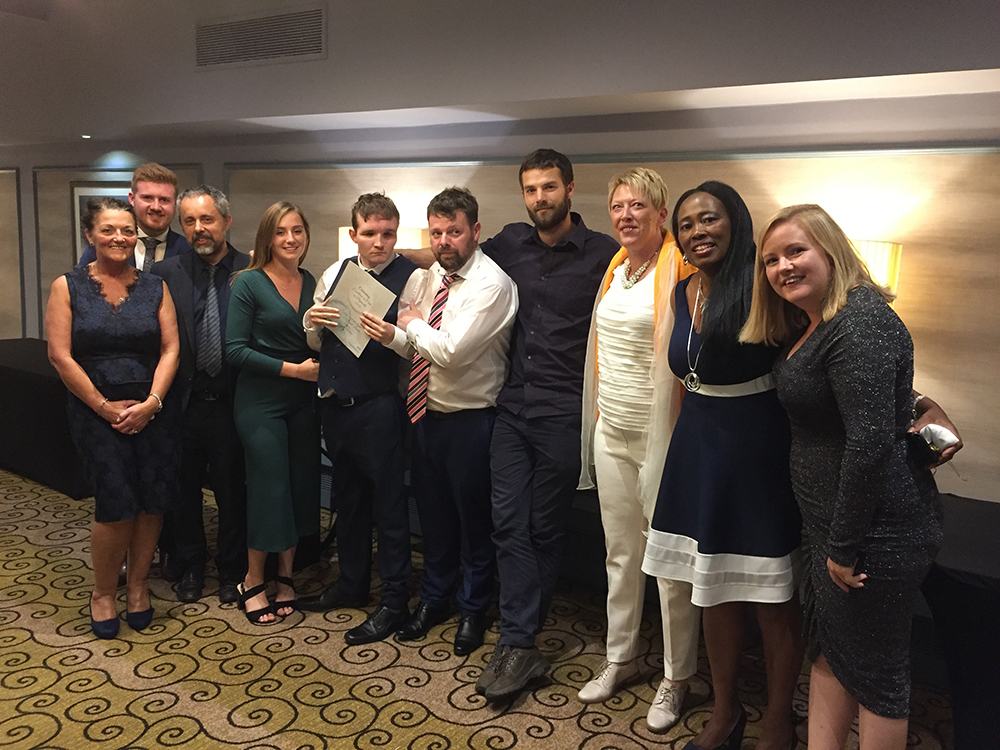
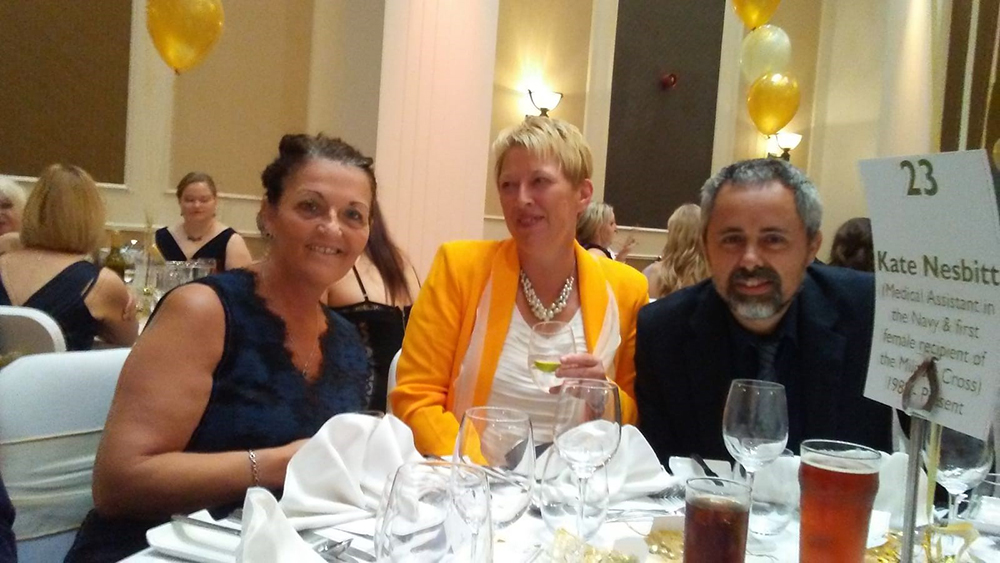
We are over the moon for Ricky and his team. On Saturday night they won the Team of the Year award 2018. The award was given as part of the Celebrating Excellence in Care Awards, organised by the Quality Assurance and Improvement Team at Plymouth City Council.
Click on the photos to make them larger and read about how it all happened below the photos…
Nomination
It started with the nomination back in August where we dared to start believing that we might have a winning chance. We knew the great work the team was doing but we also knew the competition would be strong and the awards were to be judged by an independent panel, how would we be able to convince them?
However, we knew we had to be “in it to win it” and so we put forward our nomination for Team of the Year for the work that Ricky’s team has been doing with him around the #SofatoSweden trek. We were inspired by the story and we hoped the judges would be too.
Judgement Day
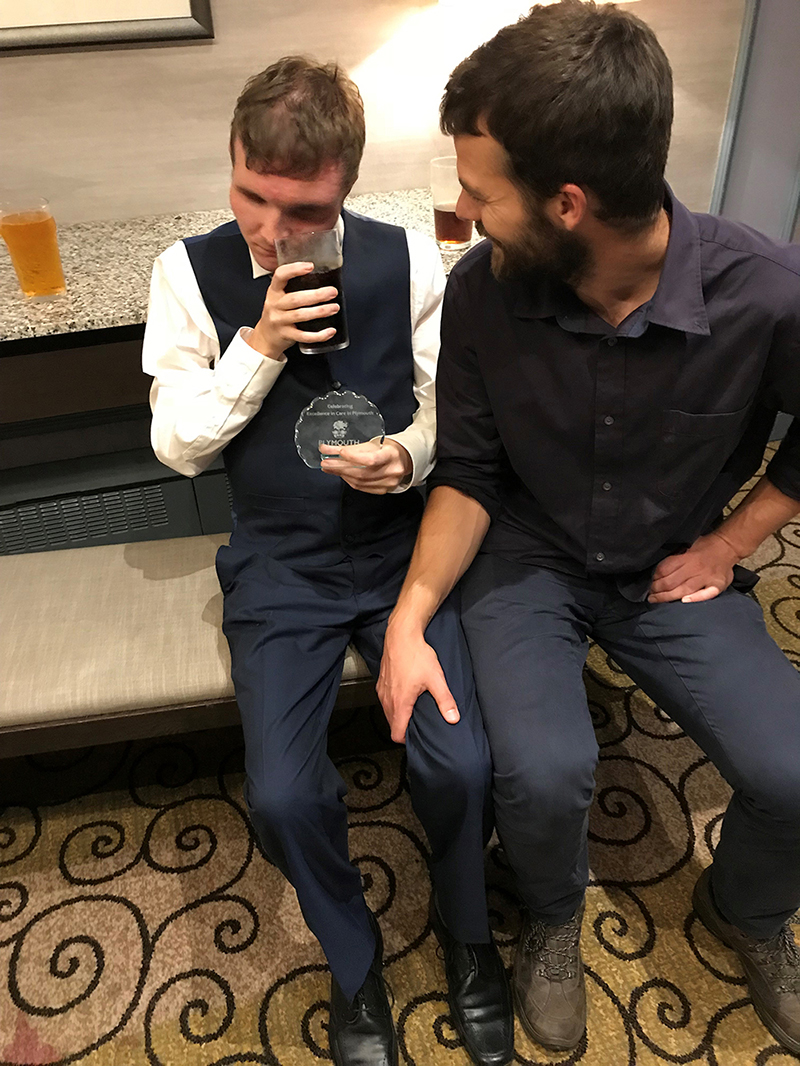
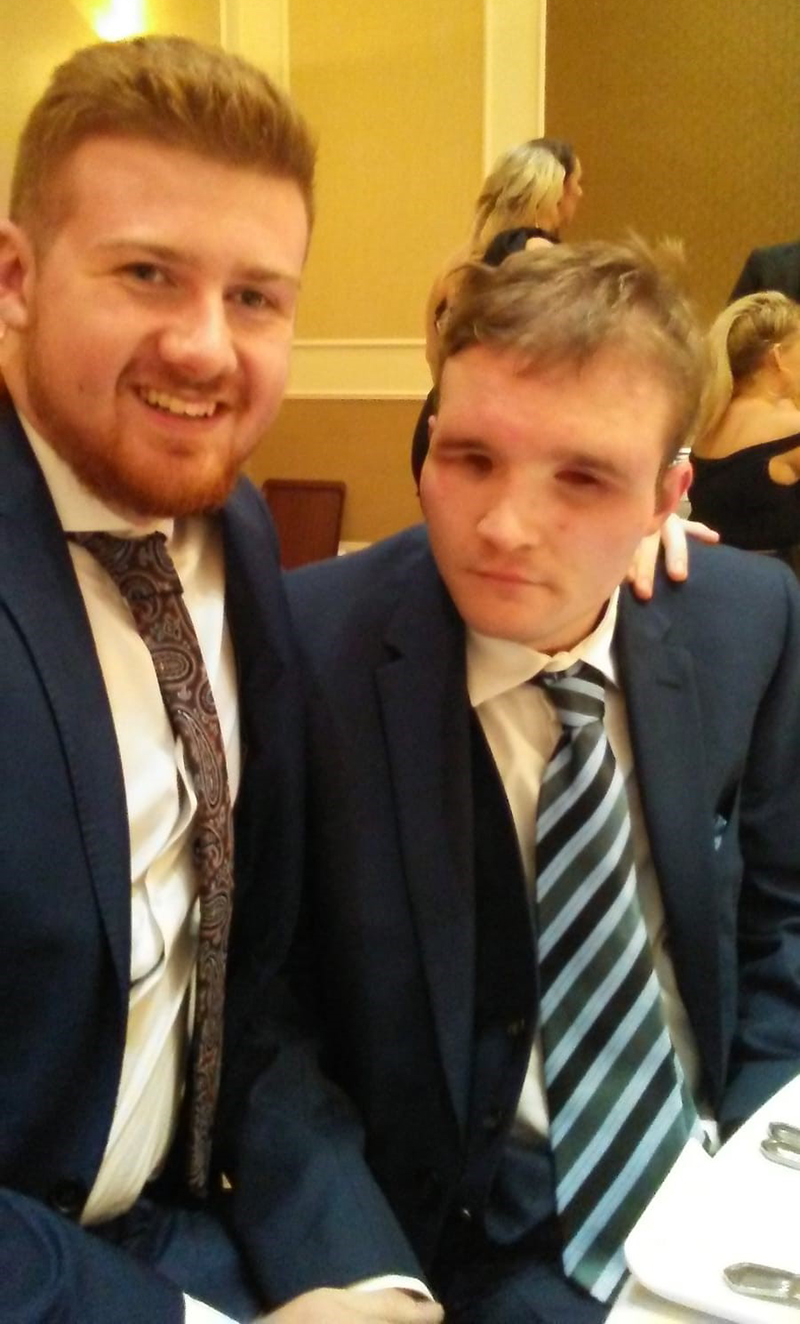
22nd September at the Crowne Plaza the evening was upon us, where should we meet, what should we wear? We did ourselves proud though and everyone had their finest outfits on. Ricky looking sharp in his suit. We started to believe we had a real chance.
The Awards
And so, it was time for the winners to be announced, a lot of worthy winners for each category and it was clear the judges had their work cut out trying to pick just one from each. The anticipation was mounting but then there it was, Beyond Limits were called out, we had won it, Team of the Year Award to Ricky’s team for their inspiring support. A fantastic moment and everyone went up to the stage and the award was presented to Ricky.
Thank You
Thanks to Ricky’s team for the fantastic work they have done and continue to do. Thanks to Ricky’s family for trusting us with the support of Ricky every day. Thanks to the judges from the independent panel for recognising the work of the team and for voting for us.
The Last Word
And finally, the last word from the Director of Beyond Limits, Doreen Kelly, “It continues to be an honour and a privilege to do this work, Ricky’s team have proved what can be done when you dare to dream and have aspirations for someone. The work they do every day to support Ricky to have a meaningful life is incredible, I am so proud of them and delighted they won the award for Team of the Year, they really do deserve it”.
Hot after Ricky’s last adventure which saw him complete a 50km trek across Sweden, the team and Ricky were not resting on their laurels and set off looking at what the next challenge should be. Upon discovering that Ricky had never had the opportunity to learn to ride a bike, it wasn’t too difficult to work out what they should do next.
For most of us, learning to ride a bike happens when we are young and the joy of finally getting rid of the stabilisers is a milestone to be celebrated, for someone like Ricky who has been denied so much because others who were responsible for his support did not believe in his capacity to change and grow, it is only recently that he is able to celebrate this achievement.
Uncertain of how Ricky would take to the challenge or how long it would take to master the art of riding a bike a short challenge was planned, however in pure Ricky style he went into it with all guns blazing and surpassed everyone’s expectations. So the team are working hard to on the next trip, you can find details here
The idea for a trek started at Ricky’s planning day in October 2016, Ricky had been supported by Beyond Limits for a year and things were going well and so we were trying to work out what else could be possible.
Training
Over the next 12 months, Ricky was doing 5km starting at a very slow speed and eventually reaching 5km an hour. At the beginning, there was very slow progression. It was not easy for the team and Ricky’s family to change their expectations of Ricky and feel confident to support him in moving forward with this trek. This created some barriers which hampered Ricky’s progression in the first year. We posted some videos of Ricky training earlier in the year.
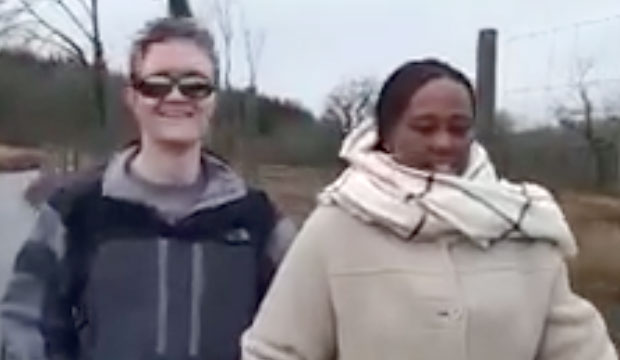
Mercy and Ricky on a training walk.
During the second year, Kieran set out a training regime for the team with planned progression leading from 5km to 25km over the year. During this year, the team pulled together and Ricky progressed beyond the team’s expectations training in all conditions; freezing temperatures, snow, ice, hail, rain, and even some very high temperatures. During the training Ricky and his team found themselves suffering with blisters and aching limbs. Despite this, everyone pulled together and persevered with the weekly training treks.
Kieran selected Swedish forests as a location for the trek and Ryan came along and organised the route, travel and accommodation.
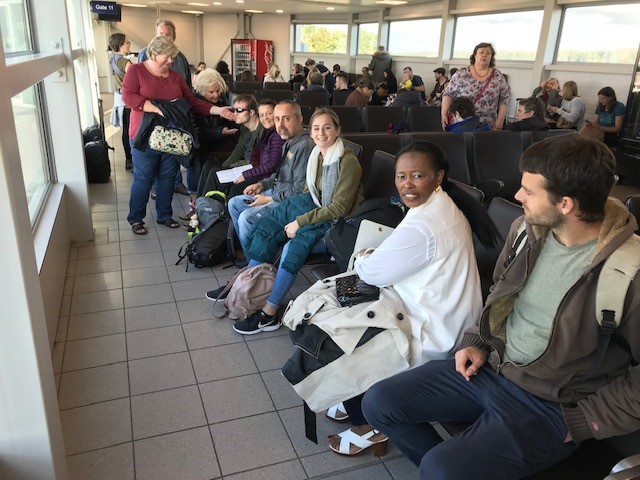
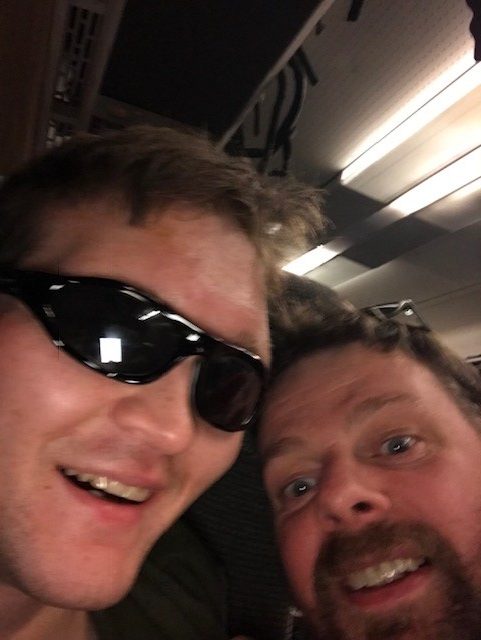
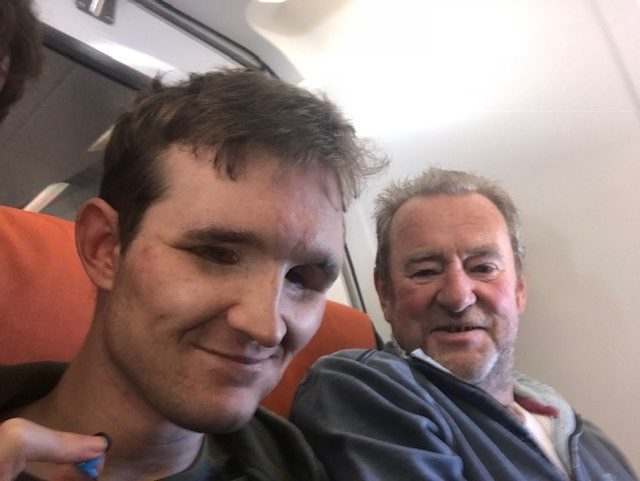
The team left for Bristol airport on the 3rd of October at 5am for the flight at 10.30am which took 2 hours to reach Copenhagen. we got off the flight and jumped on our train to Stockholm.
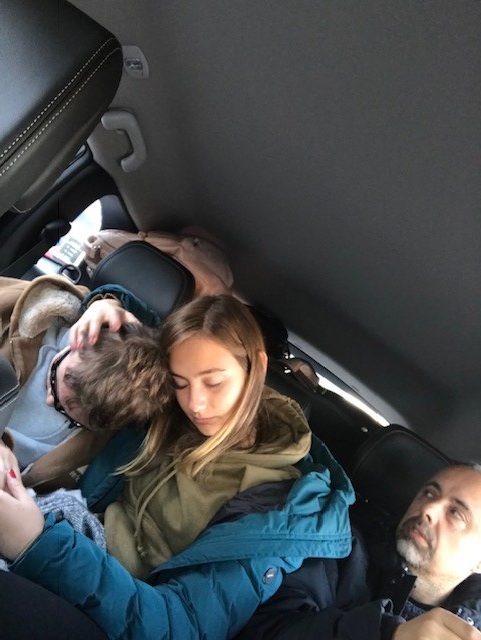
We all went and got the cars. One team took Ricky back to the house, an hour outside of Stockholm to a place called Lilla Vaxtunavagen and the other team went shopping for essentials. Both teams were going to bed around midnight.
Sofa to Sweden Day 1
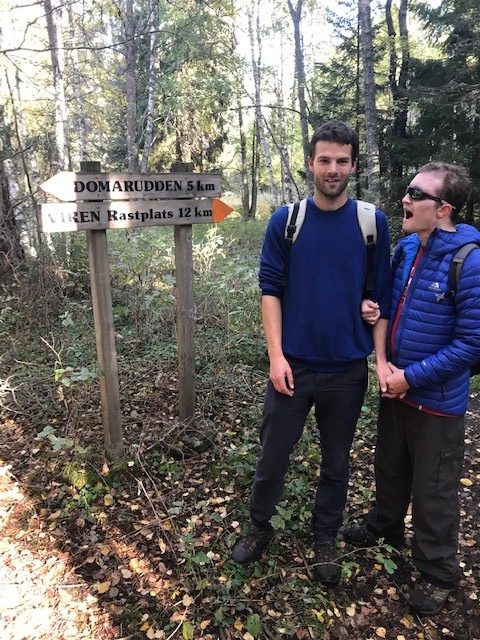
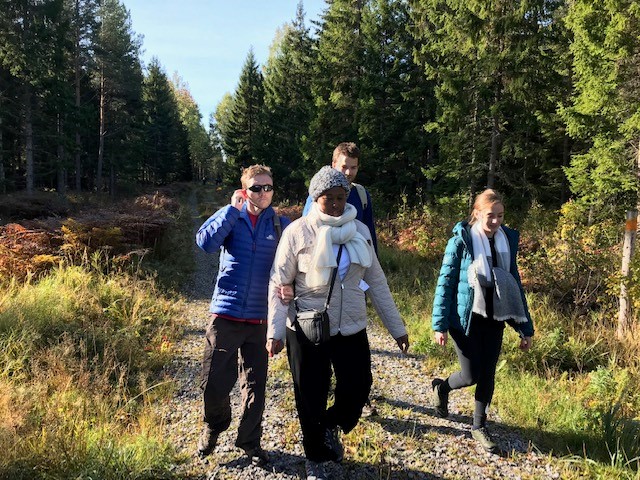
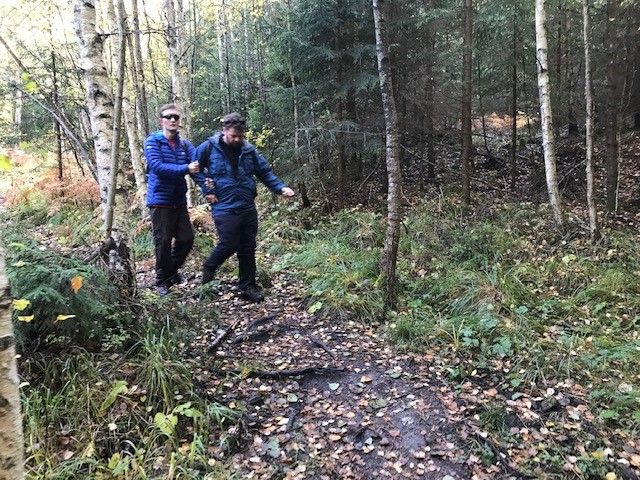
We left in the cars at 9.30am and started the walk on Roslagsladen trail at 10.30am. To begin with, we were met by a very steep muddy path and from here on-wards, Ricky was leading from the front all day across very difficult terrain. It was certainly a shock to the system for the team who were used to walking on flat tarmac around Burrator Reservoir!
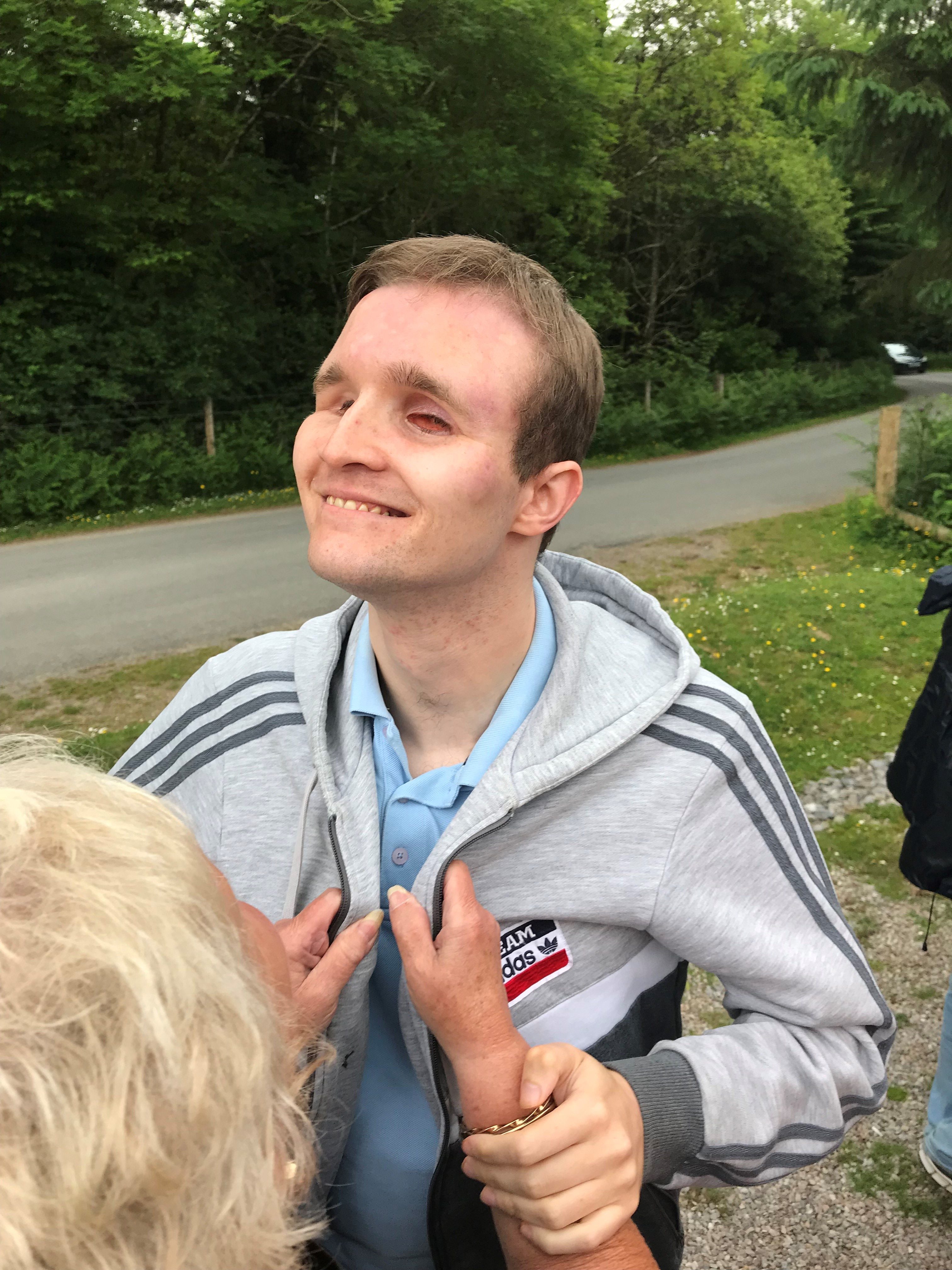
Ricky being guided to walk a difficult forest path.
The team had split into two due to mum Gill suffering from illness and this split was consistent with the remainder of the trek. The team were continually walking for 4 and a half hours until Ricky’s crew were met by the support team (Grandad Dave and Cousin Cath) for lunch at Wira bruk at 3.30pm and the other crew met shortly after.
The first group arrived back to the accommodation at 5.30pm, and the second group at 6.30pm. the team were well looked after by the support group who had prepared dinner for everyone.
Photo of Ricky and his Mum
Mum Gill became ill and retired to bed shortly after dinner. Everyone else followed not long afterwards to get an early night ready for the remainder of the trek the following day.
Sofa to Sweden Day 2
We got up and left about half an hour later than planned. We began walking at 9.30am and made really good time during the first 10km due to the flat tarmacked trail. After this first break at the 10km mark, the trail soon became more complex and slowed the team down quite dramatically to approximately a third of the original pace. At points it was necessary to make a three man chain to help Ricky up steep rock parts of the path.
Day 2 was certainly harder for the team due to sore feet, aching limbs, hunger and the difficult terrain. We met the support team at Bergshamra for lunch, 7km from the end of trek. We were wished well for the last section of the trek and Ricky continued to munch a doughnut once we were back on the walk.
Very sore feet!!
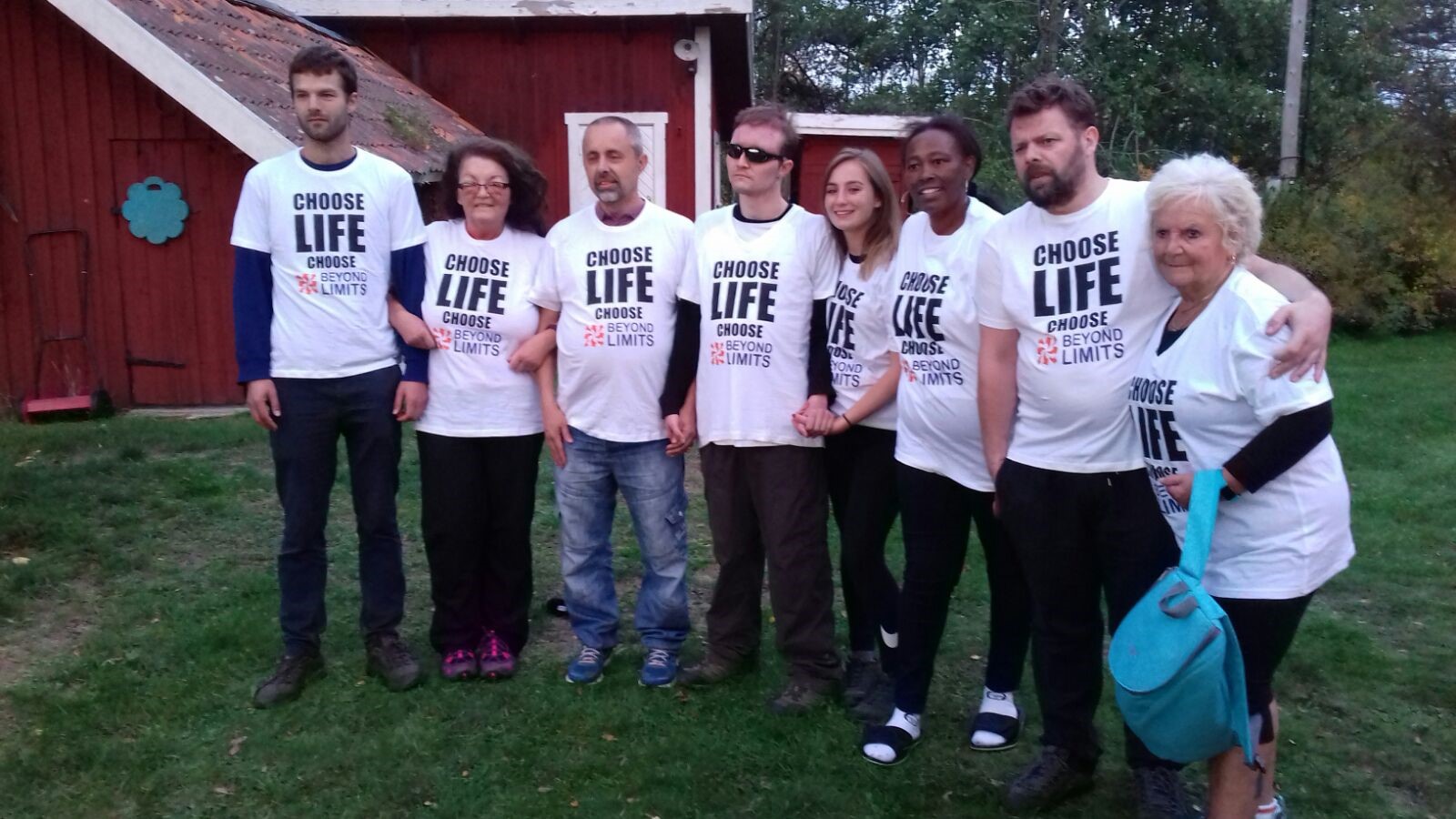
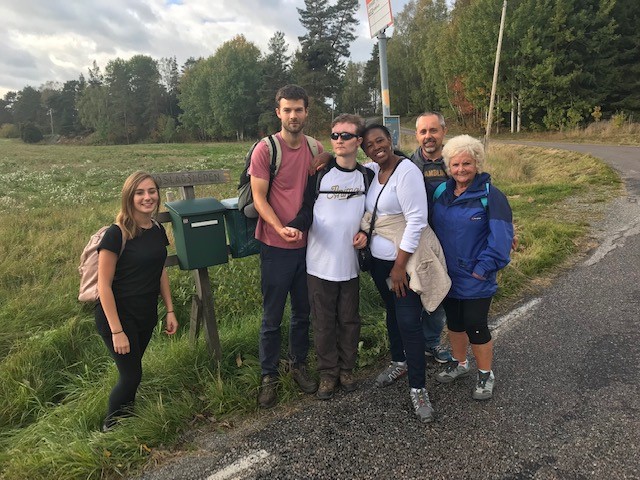
The last section was pretty slow going with lots more forest trail than gravel road but we could feel we were getting very close to the end. 3km from the end, we turned off the Roslagsladen trail and enjoyed a relaxing walk, all of us together in one big group all the way to the house where we were greeted by Gill, Grandad Dave and Cousin Cath taking videos and shouting congratulations. We ate one of the best stews ever, packed up and headed to Stockholm for the 6 and a half hour night train north to Ornskoldsvik.
Sofa to Sweden Day 3
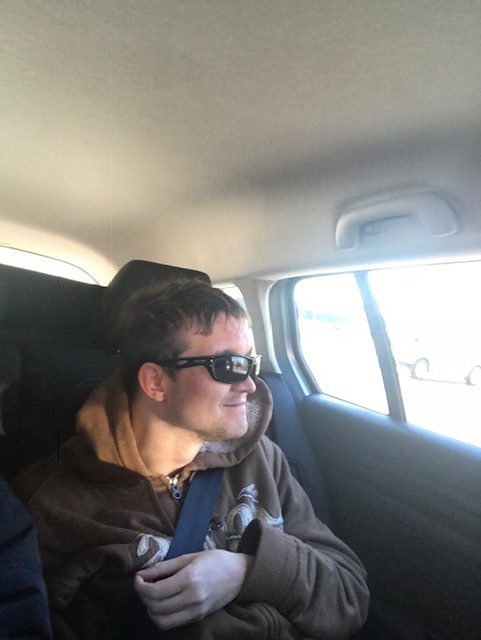
In the morning we went to collect the hire cars and drove another hour north and inland to Bergsjo to our cabins on the lake where we would stay for two nights to live in the wilderness and wait to experience the northern lights.
After Ricky had had a rest we all went into the nearest town to have a coffee and go to the coast. Ricky walked down to the coast and climbed a big rock where we sat and enjoyed some snacks in the sun by the sea.
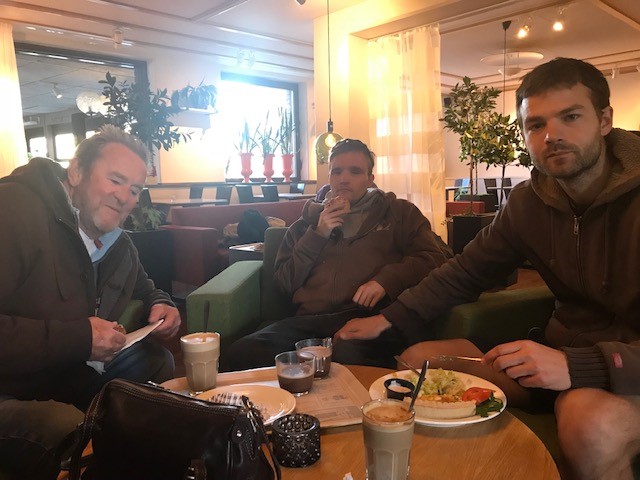
We then headed back to the cabins and had a Cousin Cath roast together and then spent the evening relaxing for the first time on the trip playing cards and looking up at the clear sky packed with stars.
The team enjoying some refereshments.
The following day we had breakfast together and then went out on the cabins rowing boat and took it all the way to the other side of the lake with Ricky enjoying the water and getting out on the other side where we shouted loud echoing calls back to the other side.
Next we went up to the northern city of Umea to eat together and watch the football. On our way back we stopped along the road to get out of the cars to witness the surreal and majestic northern lights above our heads.
Later at the house we made a fire in the garden and stayed up talking until we each wanted some sleep.
In the morning we sat together and Ricky spent hours smiling, comfy in the house while it rained for the first time on our trip.
Once the rain had stopped Ricky had a wash in the hot Sauna at the bottom of the garden by the lake, something most people had done that day as the house had no running water due to a clogged pump and a dry well.
Now it was time to go back up to Umea to begin the long 18 hour journey back down to Copenhagen for our last meal and night out together. We ate well and went to a local bar where Ricky had been on a previous break where we saw Copenhagen’s answer to the beach boys ducking under oversized hanging beer labels and giant pretzels.
In the morning Ricky, Grandad Dave and Hamish walked down to a café where Ricky had been before so they could have a coffee together down by the canals. Others went to visit the famous little mermaid statue before packing for the last time ready to fly home.
What a trip, lots of sore bodies and sore feet. It really was brilliant that totally exceeded all expectations.
We use cookies to analyse visits to our site. Understanding what people are interested in helps us improve the site, we NEVER share this information. Some embedded third-party content, such as YouTube videos, may use their own cookies which we have no control over.
Functional
Always active
The technical storage or access is strictly necessary for the legitimate purpose of enabling the use of a specific service explicitly requested by the subscriber or user, or for the sole purpose of carrying out the transmission of a communication over an electronic communications network.
Preferences
The technical storage or access is necessary for the legitimate purpose of storing preferences that are not requested by the subscriber or user.
Statistics
The technical storage or access that is used exclusively for statistical purposes.The technical storage or access that is used exclusively for anonymous statistical purposes. Without a subpoena, voluntary compliance on the part of your Internet Service Provider, or additional records from a third party, information stored or retrieved for this purpose alone cannot usually be used to identify you.
Marketing
The technical storage or access is required to create user profiles to send advertising, or to track the user on a website or across several websites for similar marketing purposes.


 Back
Back Top
Top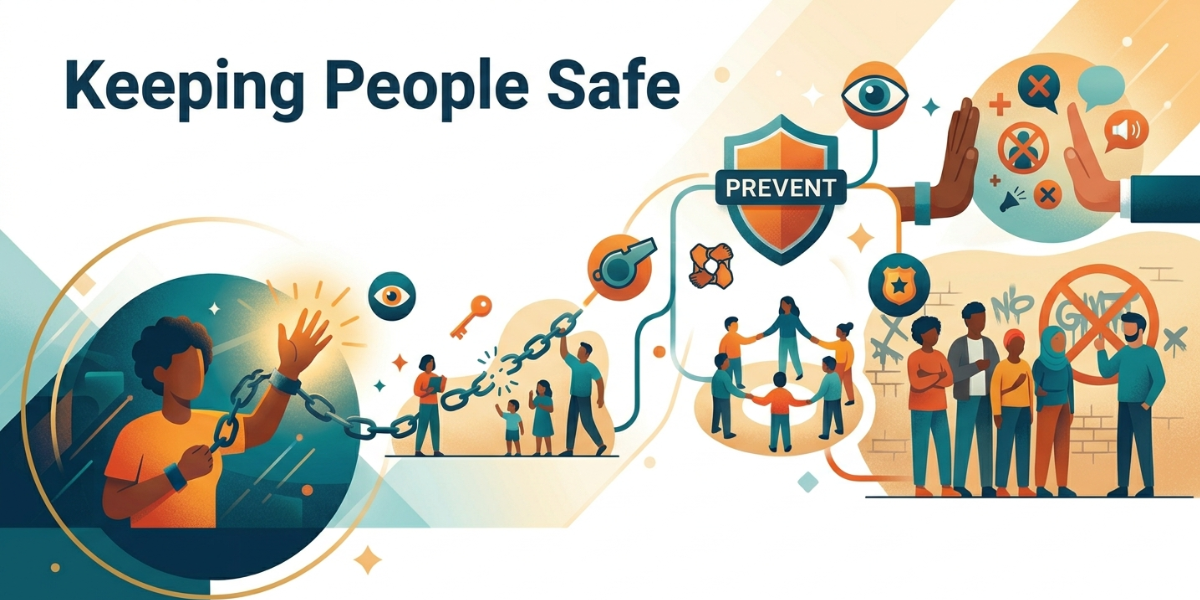



























 Of course having his own sailing expert as part of his team is helpful and Michelle kept Rich and the rest of the team safe. After the safety demonstration, a three hour trip around the coast followed and Rich really enjoyed it, safe to say he is already making plans and looking forward to the next sail.